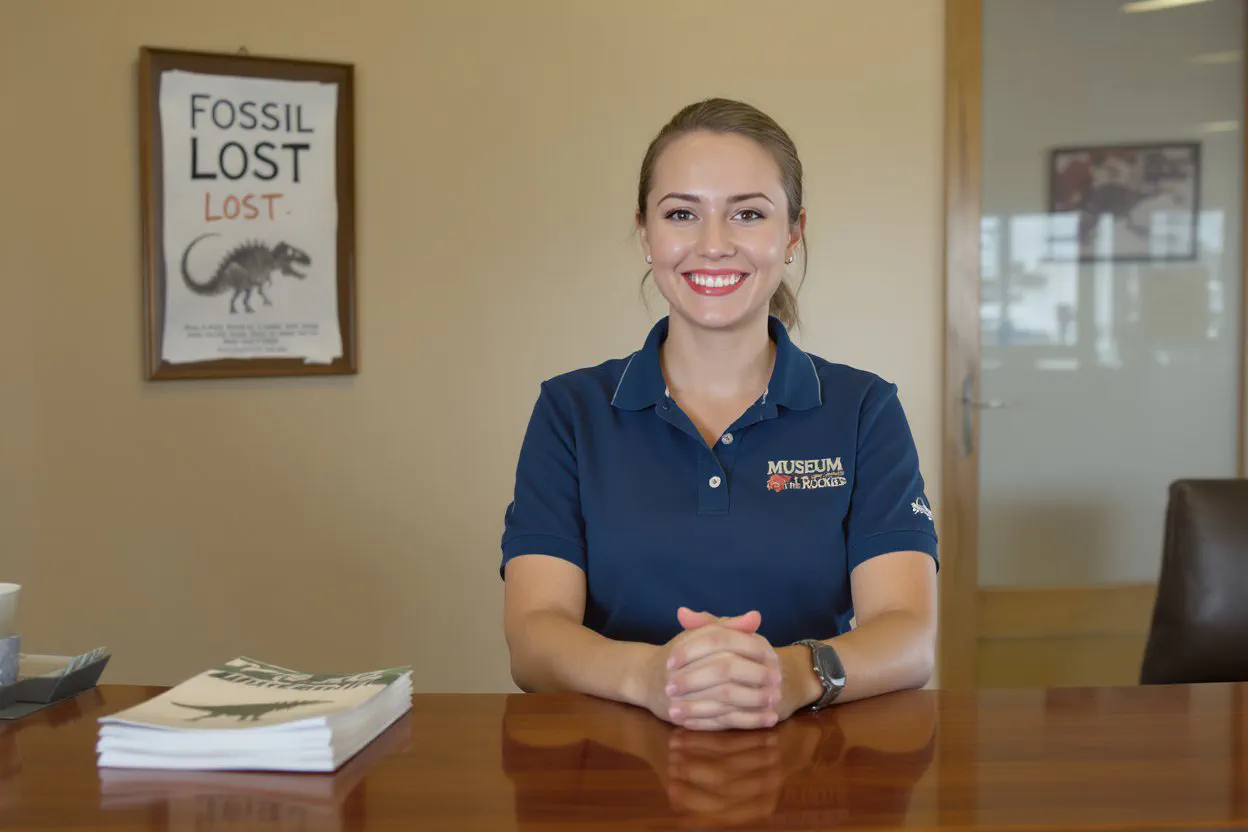
The Museum of the Rockies at Montana State University has released its May programming schedule, which includes 14 events, 9 of which involve dinosaurs, 3 of which involve dinosaurs and wine, and 2 of which were initially not about dinosaurs but were revised to include them after early registration numbers came in low.
“People come for the dinosaurs,” said museum director Dr. Patricia Hollowell during a press briefing held, as always, beneath the T. rex skeleton in the main hall. “We’ve tried programming around other themes — geology, Native history, astrophysics — and the feedback is consistent: more dinosaurs.”
The May lineup includes “Dinos After Dark,” a 21-and-over evening event featuring craft beer from local breweries and guided tours of the paleontology wing; “T. Rex and Toddlers,” a morning program for children under five; and “Dig Site Simulation,” where participants excavate replica fossils from a sandbox while a graduate student explains taphonomic processes to an audience of seven-year-olds who are not listening.
The museum’s one non-dinosaur event, a lecture titled “Yellowstone’s Geothermal Future: Risks, Realities, and Research,” was originally scheduled for a 200-seat auditorium. It has been moved to a conference room that seats 40, which museum staff described as “right-sizing.”
“I tried to get people excited about hydrothermal systems,” said geologist Dr. Mark Feingold, who will deliver the lecture. “But then someone asked if there were dinosaurs near the hydrothermal systems, and when I said no — at least not living ones — I could see them lose interest in real time.”
Graduate student and paleontology lab assistant Kelsey Roth said the museum’s dinosaur dependency is “academically frustrating but financially undeniable.” The gift shop’s top seller remains a plastic triceratops. Its second-best seller is a different plastic triceratops.
The May programming runs through the 31st. Tickets are available online. The geothermal lecture is free, which Dr. Feingold noted “tells you everything.”
Inspired by real local coverage. No actual journalism was harmed in the making of this article.