BOZEMAN - A Bee investigation has found that many of the Gallatin Valley’s beloved trails continue to rely on volunteers with shovels, gloves and suspiciously positive attitudes, despite the area’s broader reputation for monetizing nearly every other available square foot.
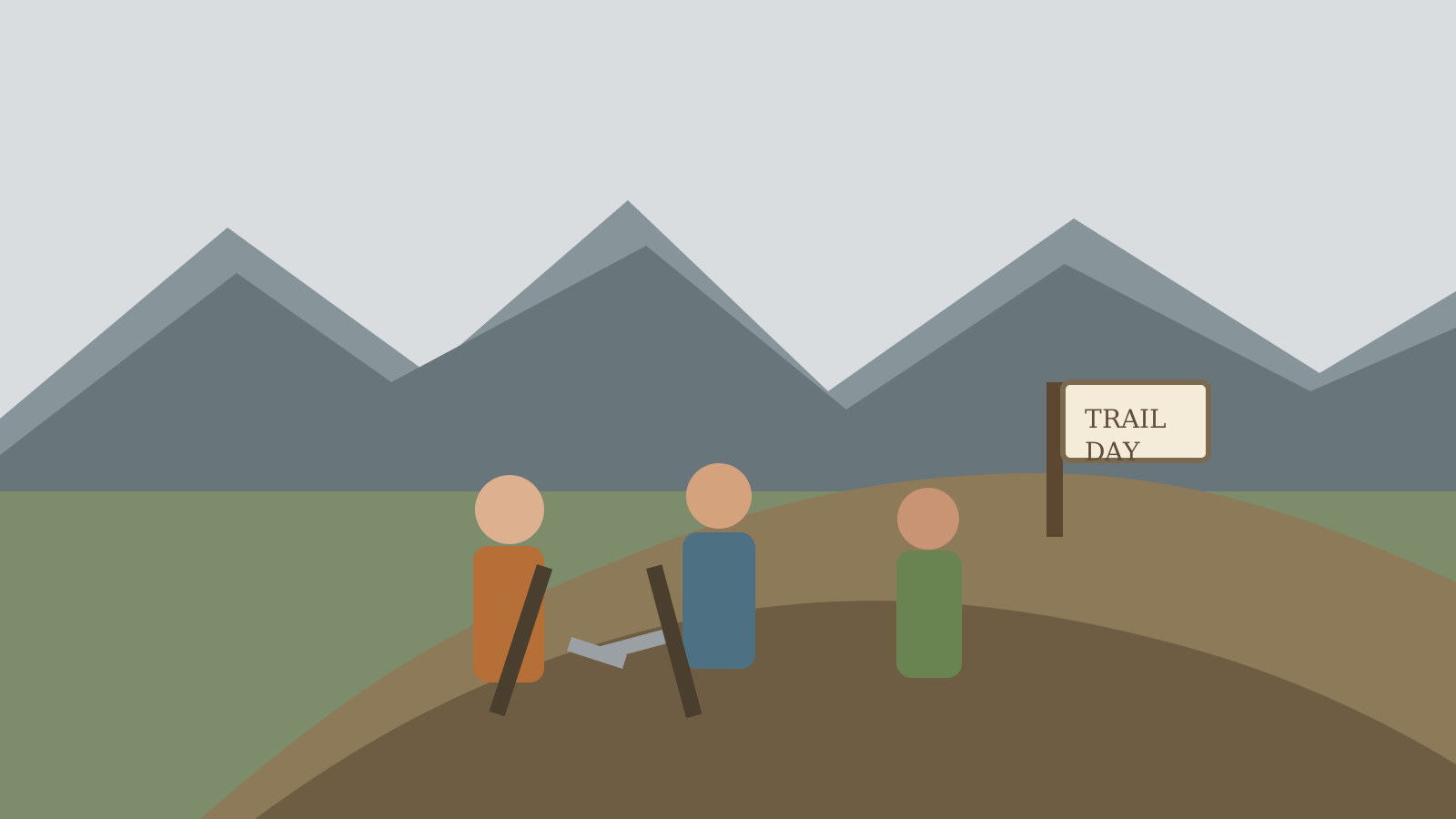
Gallatin Valley Land Trust hosted its annual National Trails Day event this weekend, drawing residents out in gray weather to repair tread, clear debris and tend to the public pathways that help make local life feel morally superior. Participants described the work as stewardship. Investigators described it as one of the valley’s last major systems still operating on the premise that enough people might show up out of love.
“Everybody says the trails are part of why they live here,” said Ron Kittredge, a volunteer who was tamping mud with the grave concentration of a man handling constitutional material. “Once a year we find out which of those people also meant it before noon.”
GVLT officials said the work keeps heavily used trails safe and sustainable as more residents and visitors place pressure on the landscape. This is a polite way of saying the valley now contains thousands of people seeking peace outdoors at the exact same time, often with dogs, hydration packs and a firm private belief that they discovered the place first.
Records reviewed by the Bee suggest the arrangement has become structurally elegant. Development sells proximity to trails. Tourism celebrates access to trails. Lifestyle marketing invokes trails with near-religious tenderness. Then, at regular intervals, volunteers step in to keep the trails from dissolving under the weight of all that affection.
The model has proven durable because it flatters everybody involved. Residents get to feel invested. Organizations get necessary labor. Local officials get a functioning amenity without the vulgarity of admitting how dependent it remains on unpaid civic affection. Even the weather cooperates by making stewardship look slightly heroic.
The practice also complements the valley’s growing educational campaign around outdoor behavior, recently expanded through Big Sky’s effort to teach children bike safety before they meet the rest of us. In southwest Montana, public recreation increasingly requires both ethics instruction and a volunteer workforce.
Investigators found no sign this arrangement will change soon. If anything, it may deepen. People continue arriving for the mountains, and mountains continue requiring maintenance once people begin approaching them in quantity.
By early afternoon, the crews were still out there in light rain, repairing the route by which the next round of admiration would arrive.
Inspired by real local coverage. No actual journalism was harmed in the making of this article.