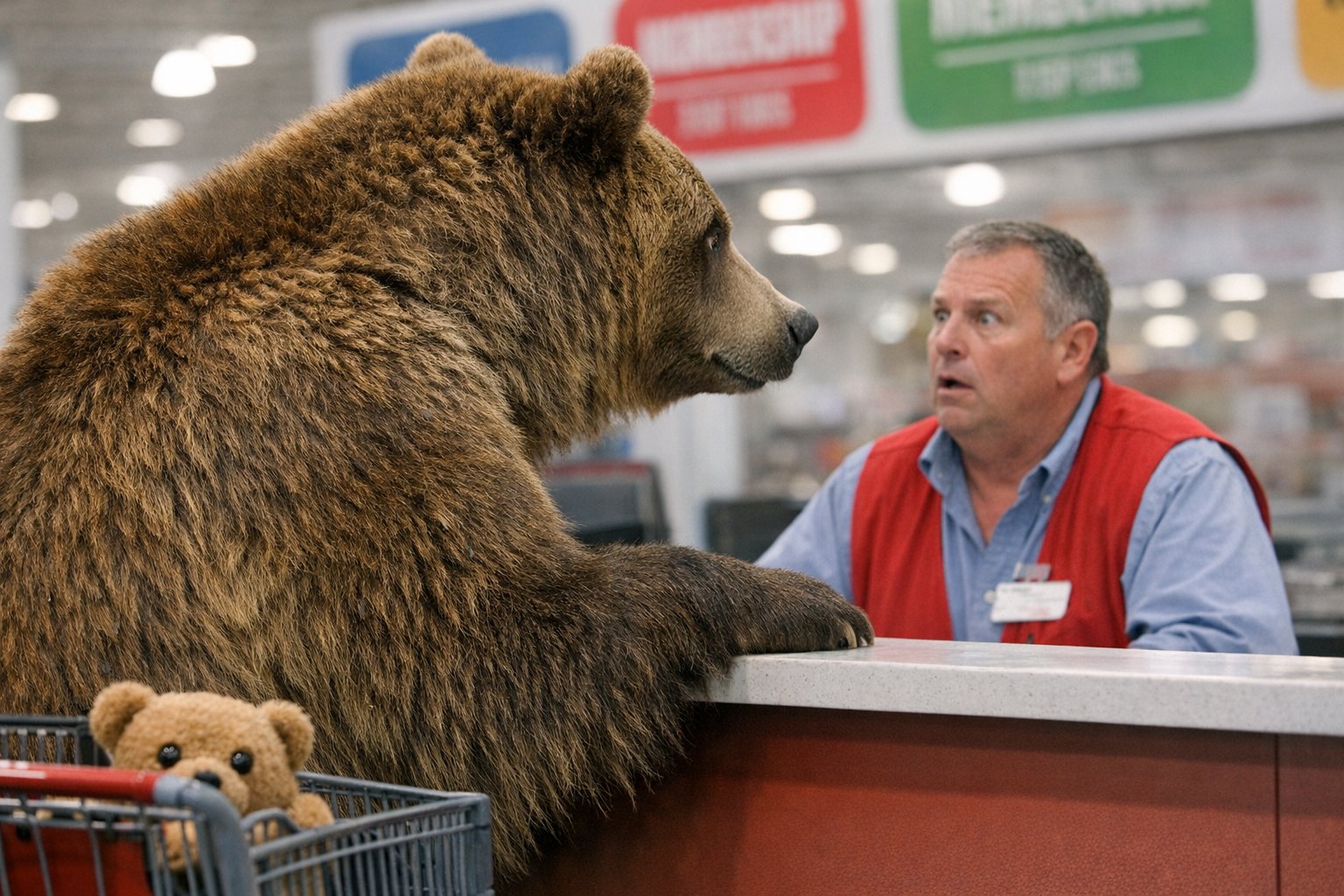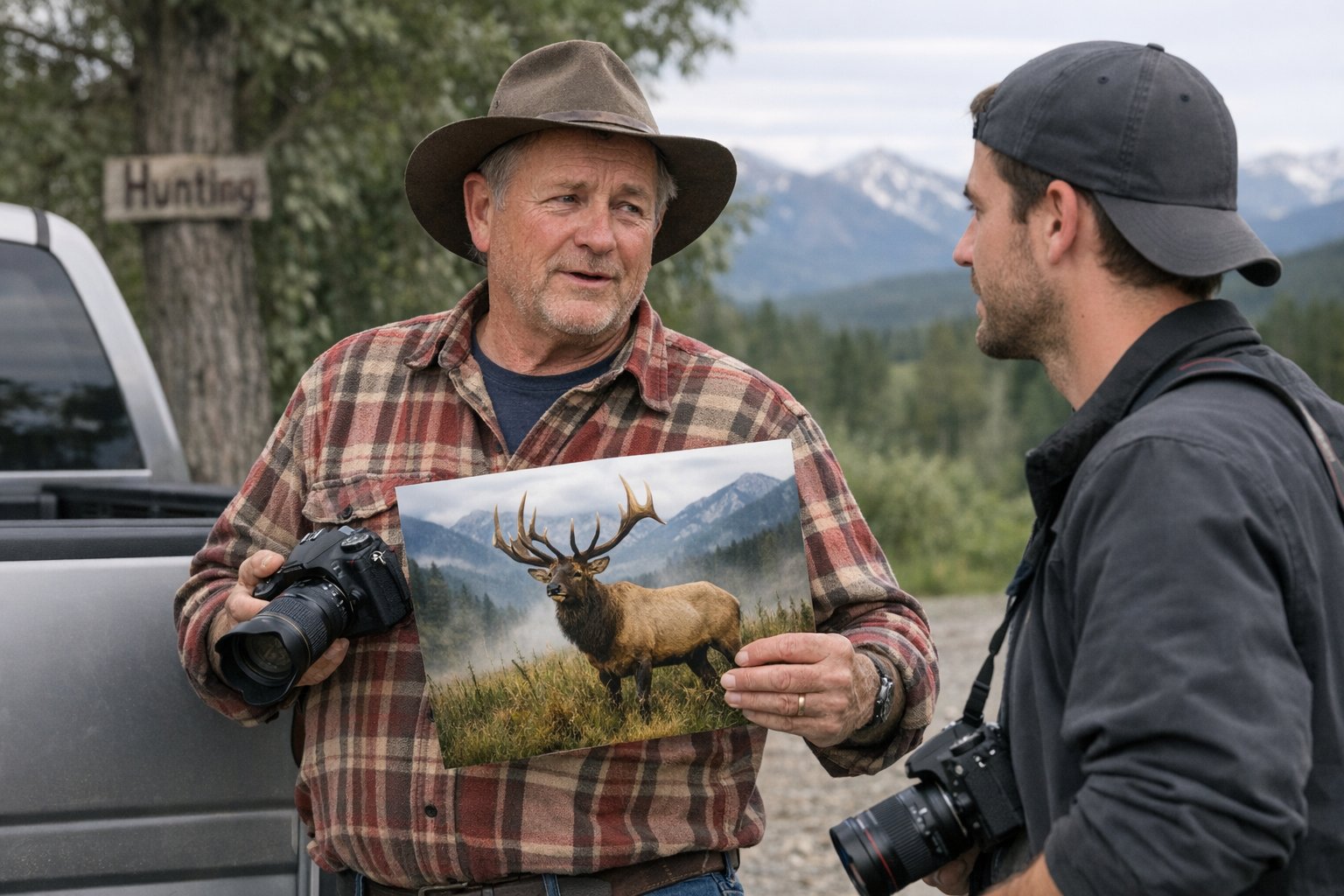
A growing crisis in the Montana outdoor photography community has reached what experts are calling “an epistemological tipping point,” as artificial intelligence image generators become sophisticated enough to produce fake elk photos that are, by all measurable standards, indistinguishable from actual elk.
“We are now living in a post-elk-verification society,” said Dr. Randall Furman, associate professor of Visual Ecology at Montana State University, during a Thursday lecture attended by 11 people and one student who was clearly asleep. “If you cannot prove the elk is real, the elk may as well not exist. This is Descartes’ nightmare.”
The issue came to a head last week when Bozeman-based nature photographer Greta Sundahl submitted what she described as “the best elk photo of my career” to a national wildlife magazine, only to have it rejected over concerns it was AI-generated.
“It was a real elk,” Sundahl said. “I sat in a ditch near Hyalite for nine hours waiting for that shot. I got frostbite on three toes. And some editor in New York tells me it ’looks too perfect.’ I’m sorry my elk was too beautiful for you.”
The magazine’s photo editor, reached by phone, declined to comment but did ask whether The Bee could “also be AI-generated” and if so “who do I even talk to about that.”
The controversy has prompted the Montana Outdoor Photographers Association to draft new authentication guidelines requiring members to submit GPS metadata, ambient temperature readings, and “a sworn affidavit that the animal in question was, to the best of the photographer’s knowledge, composed of biological matter.”
Local photographer and self-described “analog holdout” Dale Krenshaw, who still shoots exclusively on film, has watched the debate with amusement. “I’ve been saying for years that digital was a mistake,” Krenshaw said from his darkroom, which is actually a repurposed horse trailer near Gallatin Gateway. “Nobody can fake an elk on a 1974 Pentax. The elk won’t allow it.”
Meanwhile, AI-generated images of Montana wildlife have begun appearing on social media at an alarming rate, including a viral photo of a grizzly bear surfing on Hebgen Lake that received 40,000 likes before anyone noticed that Hebgen Lake does not have waves.
Dr. Furman has proposed a university-funded “Elk Verification Lab” to address the issue, though his grant application was returned with a sticky note reading: “Is this real?”