Montana’s first confirmed case of avian influenza in 2026 has been identified in a backyard chicken flock in Carbon County, according to the state Department of Livestock, raising alarm among poultry owners and mild confusion among the general public, many of whom did not realize Carbon County had backyard chickens.
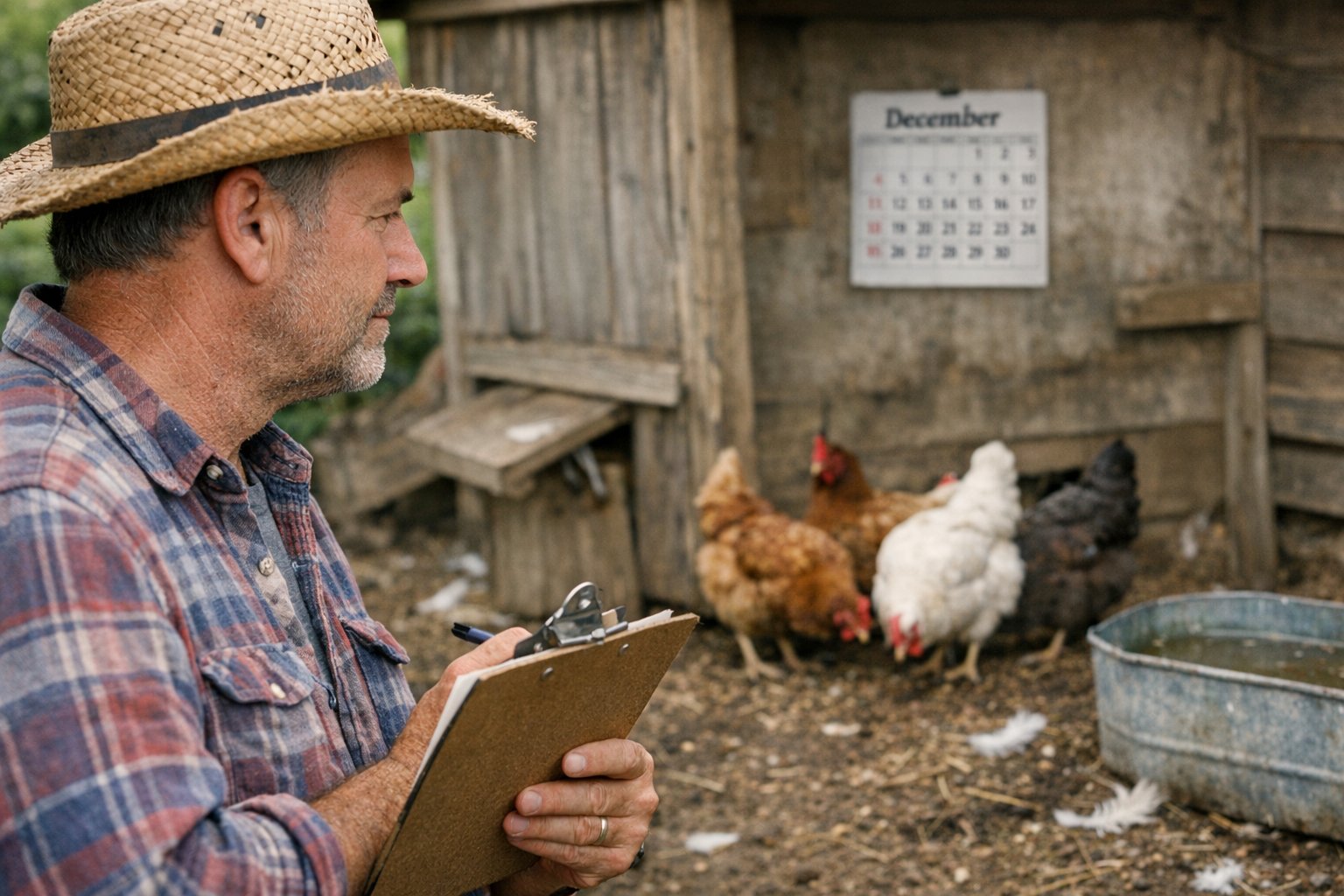
The affected flock, belonging to a rural homestead south of Red Lodge, consisted of 14 hens and one rooster described by his owner as “not particularly social even before all this.”
“He mostly just stands on the fence post and stares at the mountains,” said the flock’s owner, who asked to be identified only as Dale. “I don’t know where he would have picked this up. He doesn’t go anywhere. He’s a chicken.”
State veterinarian Dr. Marnie Lowell confirmed the diagnosis following lab results from the National Veterinary Services Laboratory in Ames, Iowa. The strain has been identified as H5N1, a highly pathogenic form of avian influenza that has been circulating in wild bird populations across North America for the past three years.
“The most likely vector is wild waterfowl,” Dr. Lowell said during a Tuesday press briefing. “Migrating birds can carry the virus asymptomatically and transmit it through droppings, shared water sources, or casual contact.”
Dale said his chickens’ only known contact with wild birds consisted of “a magpie that sits on the coop and looks judgmental” and “some geese that flew over once.”
The Department of Livestock has quarantined the property and is conducting surveillance within a 10-kilometer radius. Neighboring flock owners have been notified, though Dale says his nearest neighbor with chickens is “about seven miles away and those chickens don’t talk to my chickens.”
The case has reignited a familiar debate in Montana’s small but vocal backyard poultry community about biosecurity measures, with some owners advocating for stricter coop protocols and others arguing that their chickens are “free-range for a reason.”
“My chickens go where they want,” said Gallatin Valley poultry keeper Shirley Voss, who maintains a flock of 22 birds on a half-acre near Four Corners. “That’s the whole point of living in Montana. Freedom. For chickens and people alike.”
Dr. Lowell emphasized that the risk to humans remains low but encouraged poultry owners to limit their flocks’ contact with wild birds, a recommendation that several owners said they would “take under advisement,” which in rural Montana means they intend to do nothing differently.
Dale says his rooster has been placed in a separate enclosure as a precaution. “He doesn’t seem to mind,” Dale said. “If anything, I think he prefers it.”