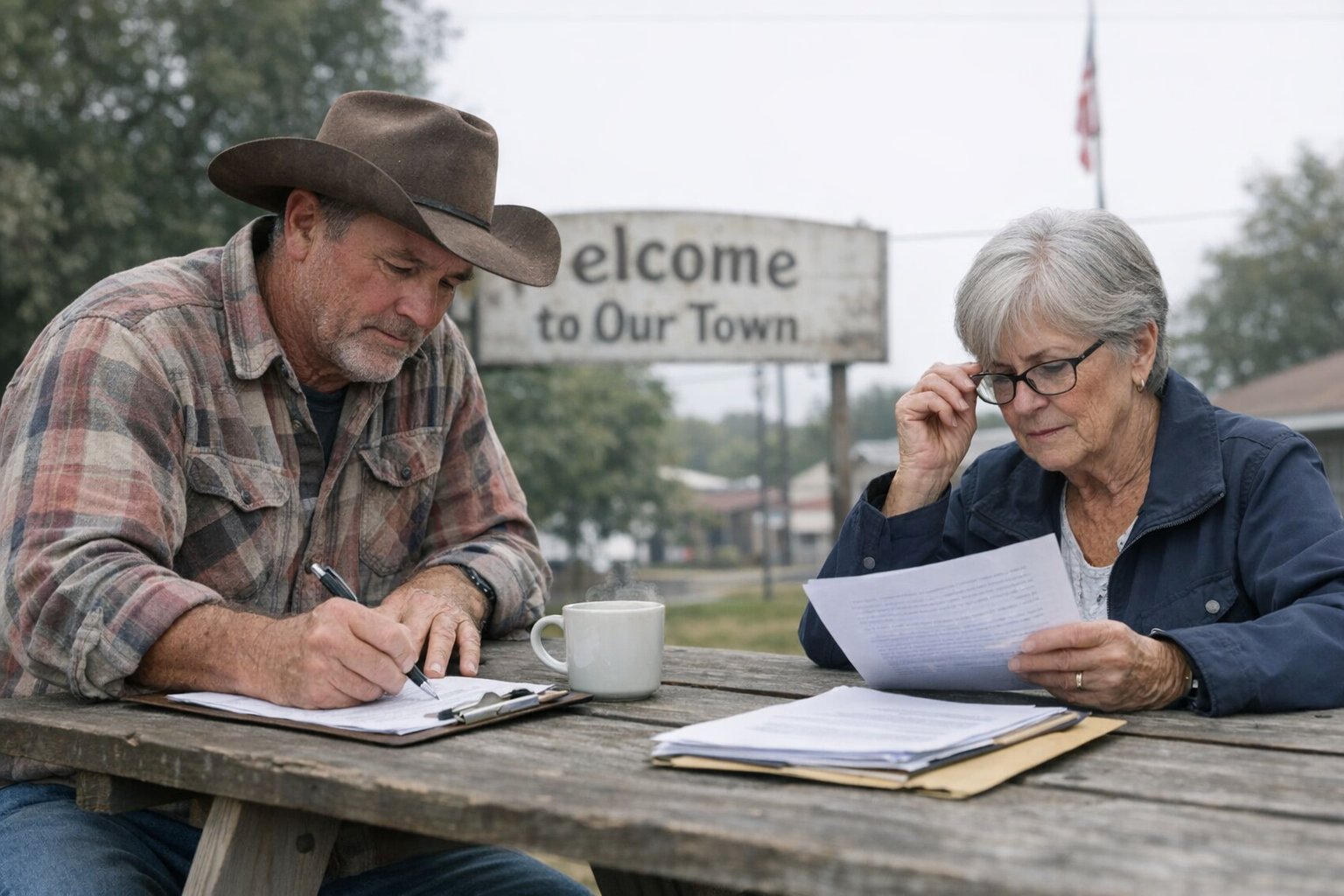
A lawsuit filed this week against Montana’s 2025 property tax overhaul has achieved something previously thought impossible in state politics: it has united a rancher from Roundup, a retired professor from Missoula, and a Big Sky homeowner in complete agreement.
They all think their property taxes are too high. Beyond that, they agree on absolutely nothing.
The suit, brought by a coalition of current and former state legislators, alleges that the complex property tax bill passed last session creates unequal burdens across property classes and fails to deliver the relief it promised. The plaintiffs describe the law as “confusing, inequitable, and approximately 240 pages longer than it needed to be.”
“I read the whole thing,” said plaintiff and former state representative Howard Darling. “Twice. I still don’t understand it, and I wrote tax law for 12 years. At one point there’s a subsection that references a subsection that references a different bill entirely. I think it might be recursive.”
The law, which was marketed as property tax relief during the 2025 session, has instead resulted in what several county assessors describe as “the opposite of that.” Gallatin County homeowners have reported assessment increases of 30 to 60 percent, which the state attributes to “market conditions” and homeowners attribute to “someone somewhere making a terrible mistake.”
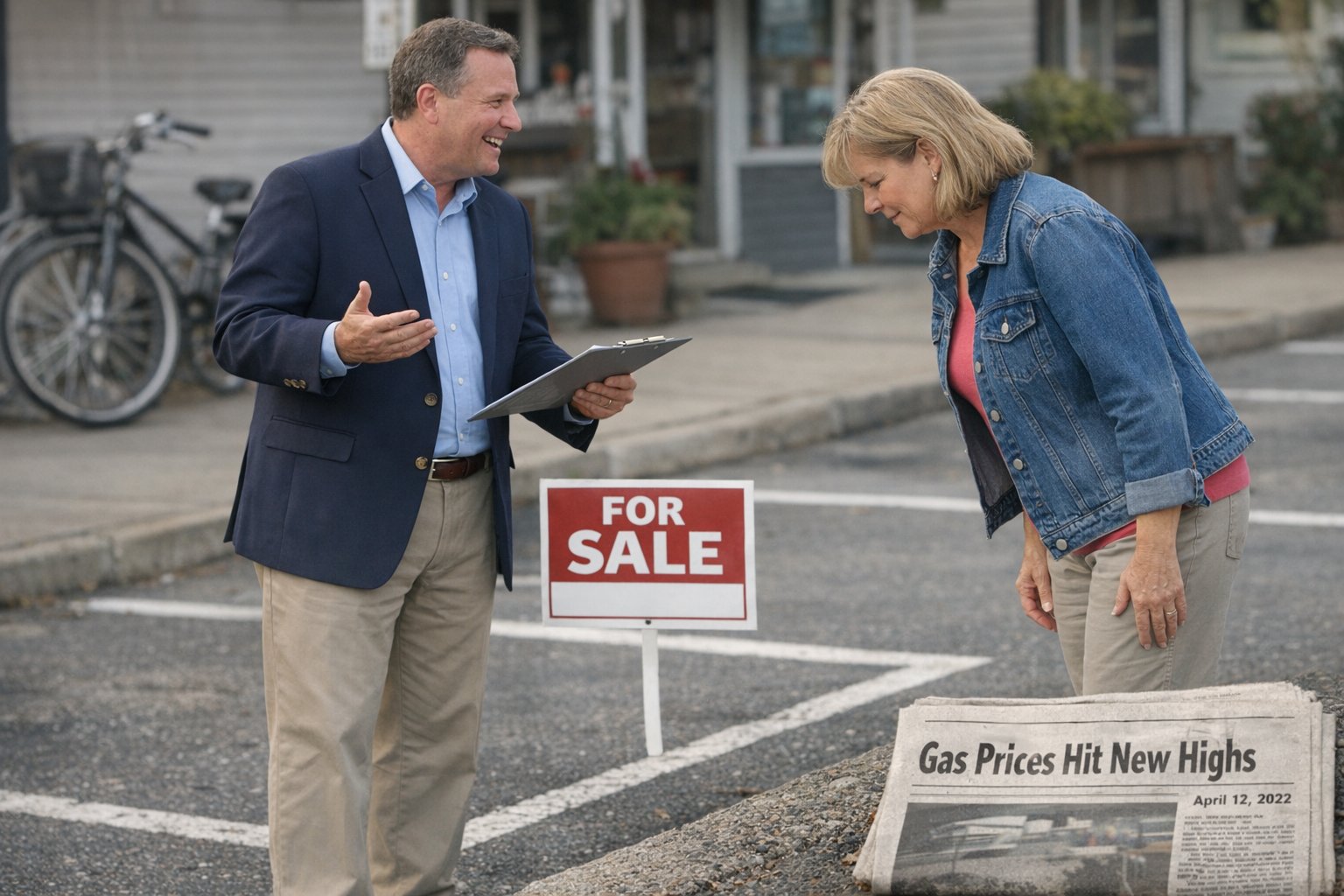
In Bozeman, the impact has been particularly acute. A modest three-bedroom house on South Willson that last sold for $180,000 in 2009 is now assessed at $780,000 — a figure its owner, 71-year-old retiree Connie Blish, calls “flattering but financially devastating.”
“I’m glad someone thinks my house is worth three-quarters of a million dollars,” Blish said. “I’d like to meet this person and sell it to them immediately.”
The lawsuit has drawn support from across the political spectrum, a phenomenon one observer called “the only bipartisan moment in Montana since the state collectively agreed that the speed limit on I-90 should be higher.”
A spokesperson for the governor’s office said the administration “stands behind the law” and believes it “provides meaningful relief when viewed in its full context,” a phrase that drew audible sighs from several people The Bee contacted for this article.
Local assessors, for their part, have asked for patience.
“The system is working exactly as designed,” said Gallatin County Assessor Tom Bridwell. When asked if the design was the problem, he stared out the window for several seconds and said, “I have another meeting.”