The Gallatin Valley School District has announced a bold, new initiative to ensure that every student’s mid-day sustenance is strictly representative of our immediate geographic footprint. Following recent federal discussions regarding the provenance of cafeteria produce, local administrators have determined that if a vegetable cannot be grown within view of a luxury condo development, it has no business being steamed and served on a partitioned tray.
“It’s a matter of academic integrity,” explained Dr. Arlo Pringle, the district’s head of Gastronomic Pedagogy. “We noticed that our students were consuming carrots from out-of-state distributors. It creates a cognitive dissonance. How can a child learn to appreciate the majesty of the Bridger Range while chewing on a carrot that spent its formative weeks in a, frankly, mysterious jurisdiction?”
The district is currently drafting a waiver system that would require lunch ladies to present a soil sample and a signed affidavit from a local rancher before serving any legume not produced in the Gallatin Valley. The goal is to shift the school lunch menu toward items that are “indigenous to the lifestyle.” This means an emphasis on items like kale chips, elk-adjacent jerky, and locally refined wheat berries that have been through at least two artisanal processing facilities.
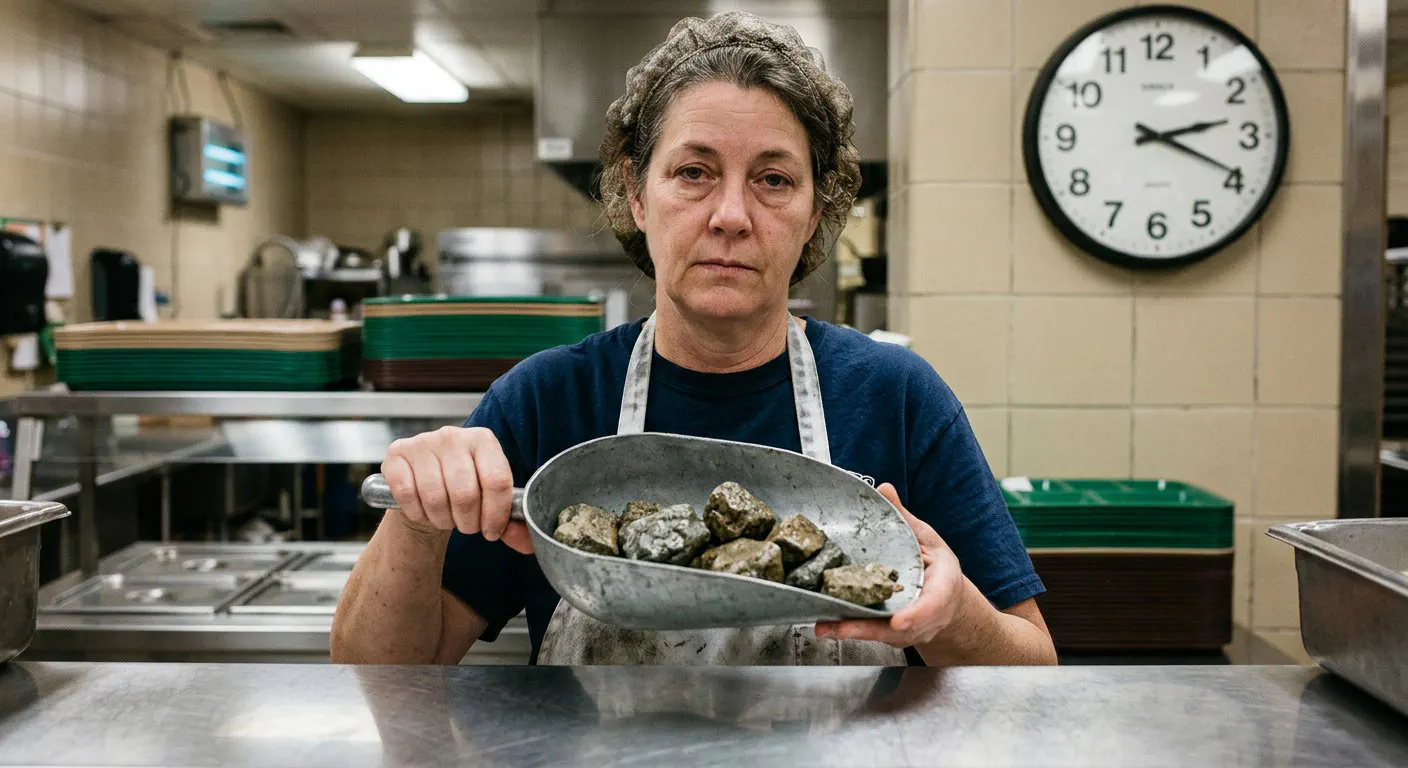
Critics of the plan have pointed out that the current local agricultural output, comprised mostly of hay, barley, and housing developments, may struggle to meet the daily caloric requirements of 8,000 growing teenagers. However, the Board of Trustees remains undeterred, suggesting that students could offset any nutritional deficits by foraging for wild currents near the M Trail or participating in mandatory recess-based rock gathering.
“I’ve spent fifteen years perfecting my sourdough starter in a basement in Belgrade,” says local parent and artisanal bread enthusiast, Biff Wickerly. “If my tax dollars are going to buy a banana, I want that banana to have been ripened in a greenhouse overlooking a multimillion-dollar horse arena. It’s about ensuring our kids understand that quality is directly tied to the proximity of the nearest ski lift.”
The district is also looking into replacing the current milk supplier with a goat-share program based out of Four Corners. The transition is expected to cause significant budget fluctuations, though officials believe the aesthetic benefit of students drinking milk from goats that share a zip code with a yoga studio will far outweigh the minor logistical challenges.
By the end of the semester, the cafeteria expects to be fully compliant with the new hyper-local mandate. The existing inventory of apples from Washington State will be ceremonially composted in the parking lot to nourish the soil for next year’s inaugural crop of district-certified potatoes.
The earth remains largely indifferent to where the carrots originate.
Inspired by real local coverage. No actual journalism was harmed in the making of this article.