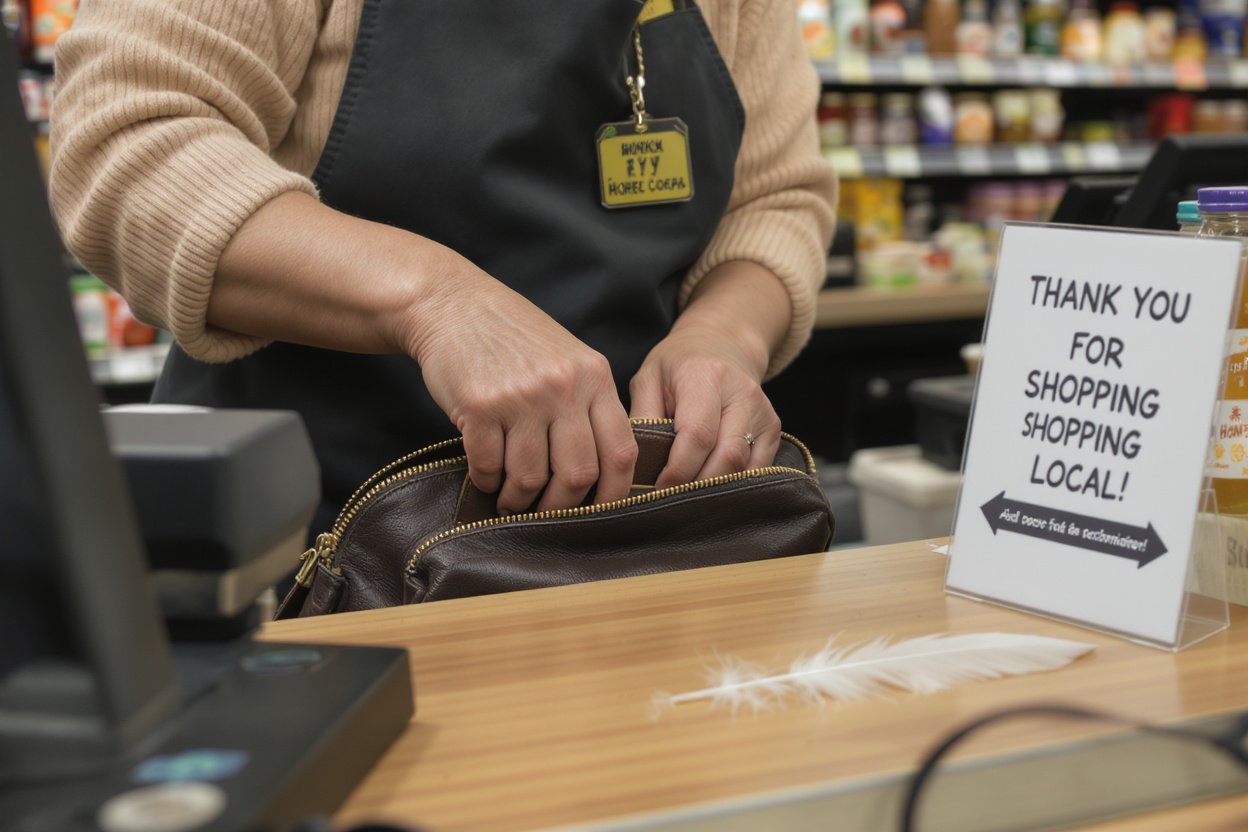
I was down at the Co-op the other day, picking up some local honey for my tea. You know, the good stuff, from the bees right here in the valley. It got me thinking, as things often do when you’re just living your life, about how things used to be. Not that long ago, really.
I bought my place back in 2006. Paid a nice, normal amount for it. Enough to feel like an investment, but not so much that you had to sell a kidney just to make the down payment. It was a fair price for a good home. And it was around then, too, that everyone could afford to live here, or so it seemed.
Now, you walk by some of these new places going up, four stories tall with those little balconies where you can wave at your neighbors across the street, and you hear what people are paying. Or you talk to the young folks working at the coffee shop, who are commuting from Livingston or even Belgrade, just to make ends meet. It just doesn’t seem right.
My nephew, Jimmy, bless his heart, he’s a good kid. Works hard, two jobs in fact. One at Bridger Bowl in the winter, and then he’s landscaping around town all summer. He’s trying to save up for his own place. He tells me the rent for a one-bedroom apartment, just a small one, is more than I paid for my whole mortgage payment back in the day. And my place has a yard, for crying out loud. A real yard.
He’s telling me about these “luxury” apartments over near North 7th. They call them luxury, but they look pretty much like regular apartments from where I’m standing. Just newer, with those tiny dishwashers and not enough parking. And they want an arm and a leg for them. He said he saw one that didn’t even have a window in the bedroom. How’s that for luxury?
It makes you wonder, doesn’t it? What happened to the idea that if you worked hard, you could afford to live in the place you loved? The people who make our lattes, who fix our cars, who keep the ski slopes running smooth – they deserve a place to lay their head that doesn’t cost them most of their paycheck.
My neighbor, old Frank, he’s lived here since ‘72. He remembers when Main Street was just farmers and cowboys doing their errands, and you knew everyone by name. He says we’re losing our soul, piece by piece. He’s got a point. When the people who contribute to the community can’t afford to live here, what kind of community are we building?
Sometimes I drive by those fancy new developments, all glass and sharp angles, and then I see one of the original little bungalows, still standing strong right next door, a bit crooked perhaps, but with a history you can feel. And it just makes me shake my head. It’s like we’re forgetting where we came from, or who we are.
I hear people complain about outsiders, but half the folks complaining are from somewhere else themselves. We all came here for something, didn’t we? For the mountains, for the fresh air, for that good, local honey. But if only a certain kind of person can afford it, then what are we left with?
I try to stay positive. I really do. But when young Jimmy asks me, with that look in his eye, “Uncle Howard, will I ever be able to own a house here?” I just don’t know what to tell him. It feels like the math just doesn’t math anymore. A fair day’s work should get you a fair day’s rent. It used to, anyway.
Howard Benchpress owns a home he bought in 2006 for what he describes as ‘a normal amount of money.’ He brings this up frequently.